How to Choose the Right Conference Facility
Start With Meeting Size, Setup, and Flow
Headcount matters, but it never tells the whole story. A board meeting, nonprofit planning retreat, medical leadership session, or government strategy meeting may bring the same number of people into the building. But each one needs the room to function differently once the agenda begins.
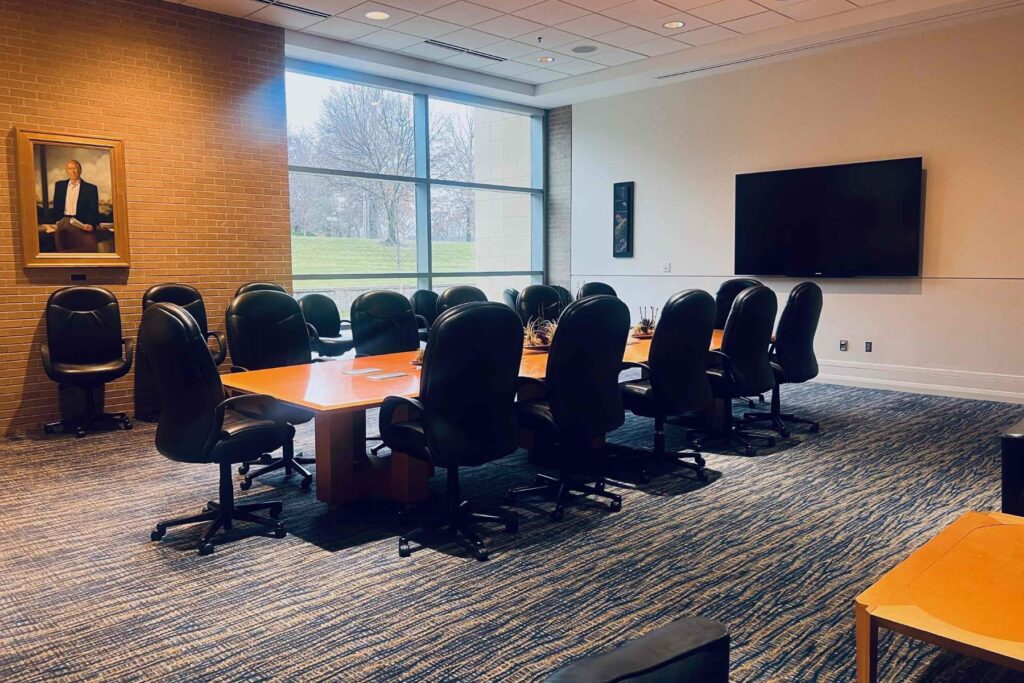
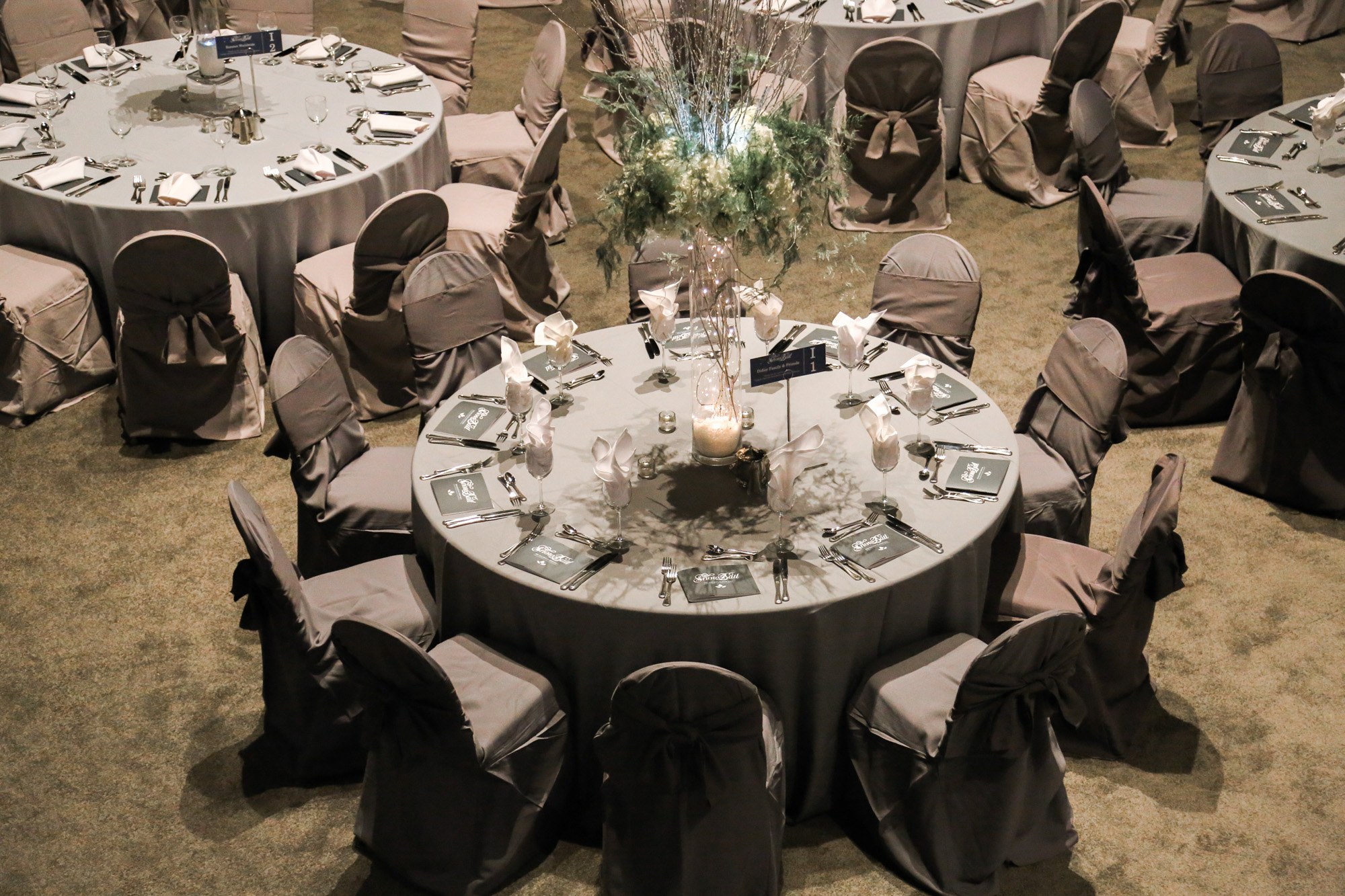
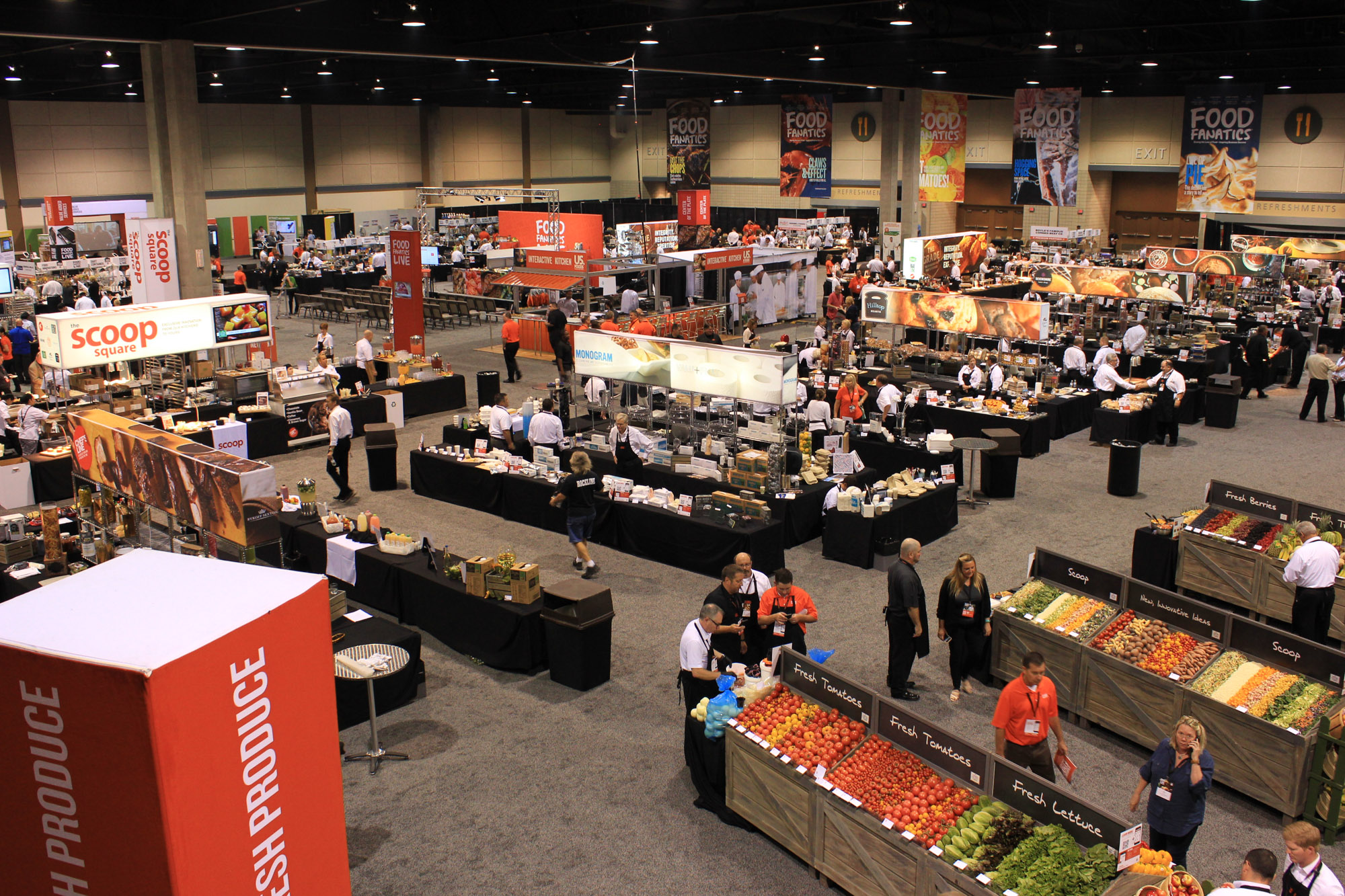
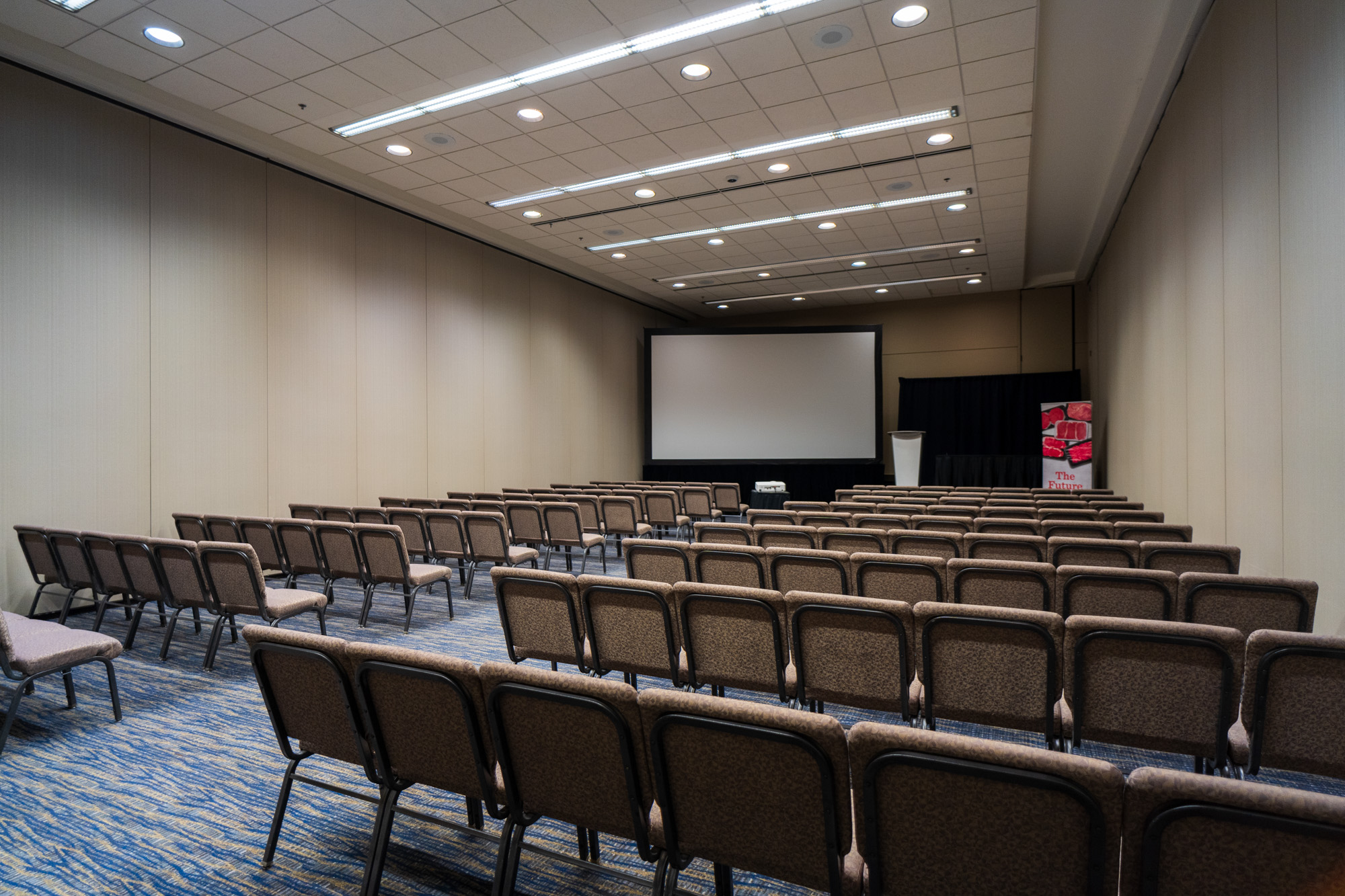
That is why planners should look at setup style early. Theater, classroom, banquet, and boardroom layouts all change capacity. A meeting that includes a general session, breakout rooms, registration, networking, or exhibits also needs enough space around the room, not only inside it.
Before locking in a space, review the full floor plans and capacity charts. They help clarify square footage, room combinations, pre-function areas, and how guests will move through the day.
What Affects Conference Facility Rental Costs
Rental cost depends on more than the room itself. Date, room size, setup, access time, food and beverage needs, audiovisual support, staffing, security, utilities, and service charges can all affect the final estimate.
What changes your cost the most is complexity. Therefore, a clear quote should show what it includes and what may be added. Planners often ask about tables, chairs, Wi-Fi, AV, staffing, food and beverage minimums, internet costs, payment schedules, and cancellation policies before they make a decision.
Our team can also review the overall event spend when pricing the space. In some cases, we may be able to discount or waive the rental based on the full scope of the event. That gives planners a better way to evaluate total cost instead of comparing base rental fees alone.
Planning Around Spring Demand and Space Availability
Spring booking windows can tighten quickly, especially once April and May calendars fill with meetings, conferences, and event planning. The earlier your team starts the conversation, the more flexibility you may have with dates, room choice, setup options, and support.
Availability is not only about whether your preferred date is open. Planners often need to know:
- What alternate dates are available
- How long space can be reserved without a contract
- What other events are happening in the building
- When they can access the room for move-in and move-out
It also helps to ask about peak and off-peak dates. Some dates may offer better pricing or more flexibility, especially if your agenda can shift slightly. For groups comparing conference facilities near Kansas City, that context can make planning feel much clearer.
A Better Fit for Mission-Driven and High-Stakes Meetings
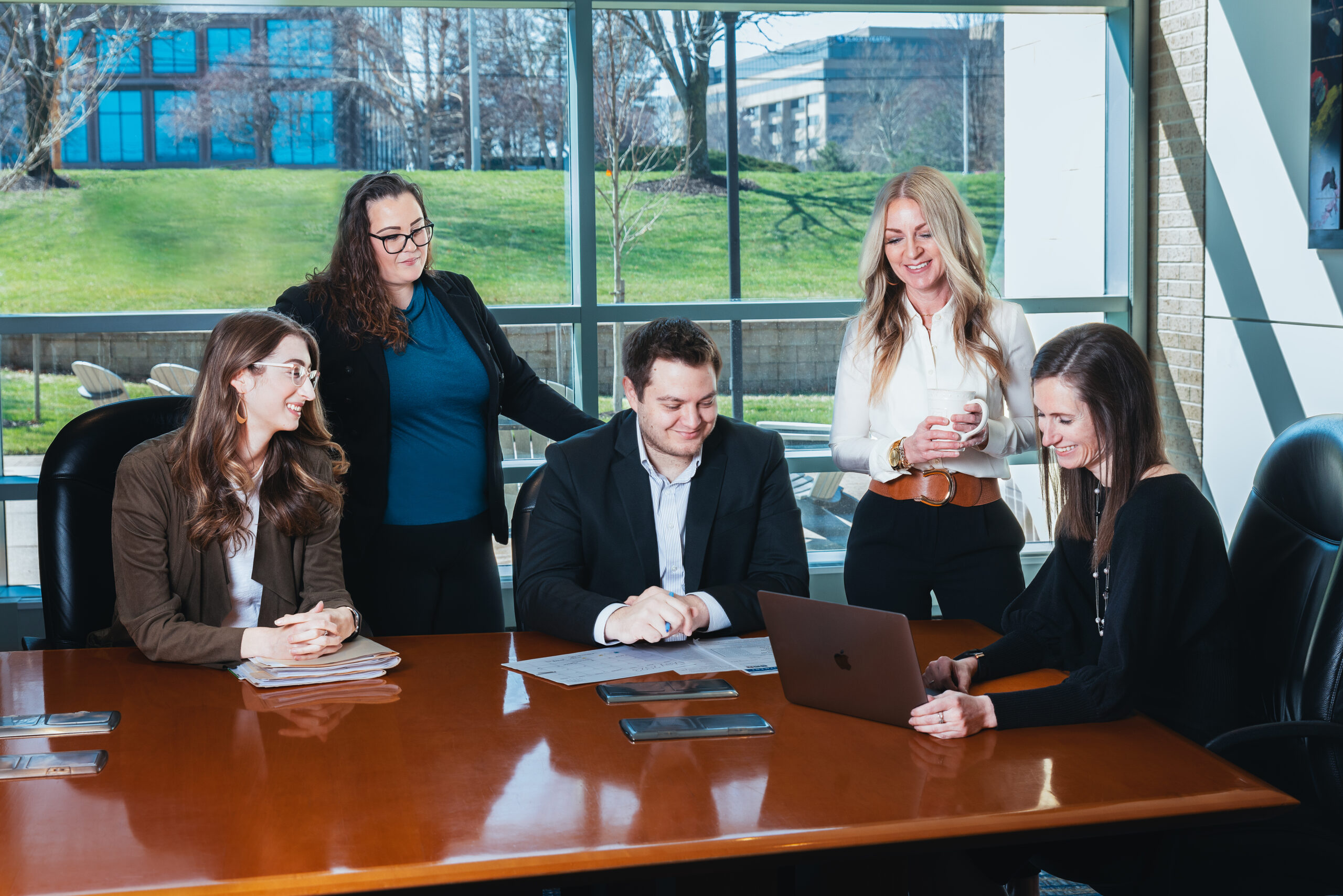
Some meetings carry more weight than others. Health and medical groups, nonprofit teams, public-sector organizations, and leadership groups often need a setting where timing, privacy, and clear communication matter from the start.
The correct setup keeps people focused. General sessions need enough room to feel organized. Breakouts need to stay easy to find. Meals, presentations, and networking should connect naturally instead of pulling attention away from the work at hand.
That is where OPCC’s in-house teams make planning easier. Meeting space, audiovisual support, food and beverage, and event coordination can be aligned early, which gives planners fewer handoffs and a clearer path from the first conversation to the event day.
What Planners Compare Between Conference Venues
When planners compare conference facilities, the strongest option is often the one that makes the planning process easier and the guest experience more predictable. Overland Park Convention Center offers complimentary high-speed Wi-Fi, free parking, flexible meeting space, in-house audiovisual support, and in-house food and beverage.
The attached 412-room Sheraton and nearly 1,000 guest rooms within walking distance make multi-day meetings easier to plan. Guests can move between lodging, sessions, meals, and networking without adding more transportation steps.
Overland Park Convention Center provides a hard-lock system in all spaces, which gives planners more control over room access during sessions, breaks, and private discussions.
Catering for a Working Agenda
Food affects a schedule more than many planners expect. Usually, when people are full or have easy access to food, it makes an event run that much more smoothly. A lunch that runs long could compress your afternoon session, and a break without coffee readily available often sends attendees wandering.
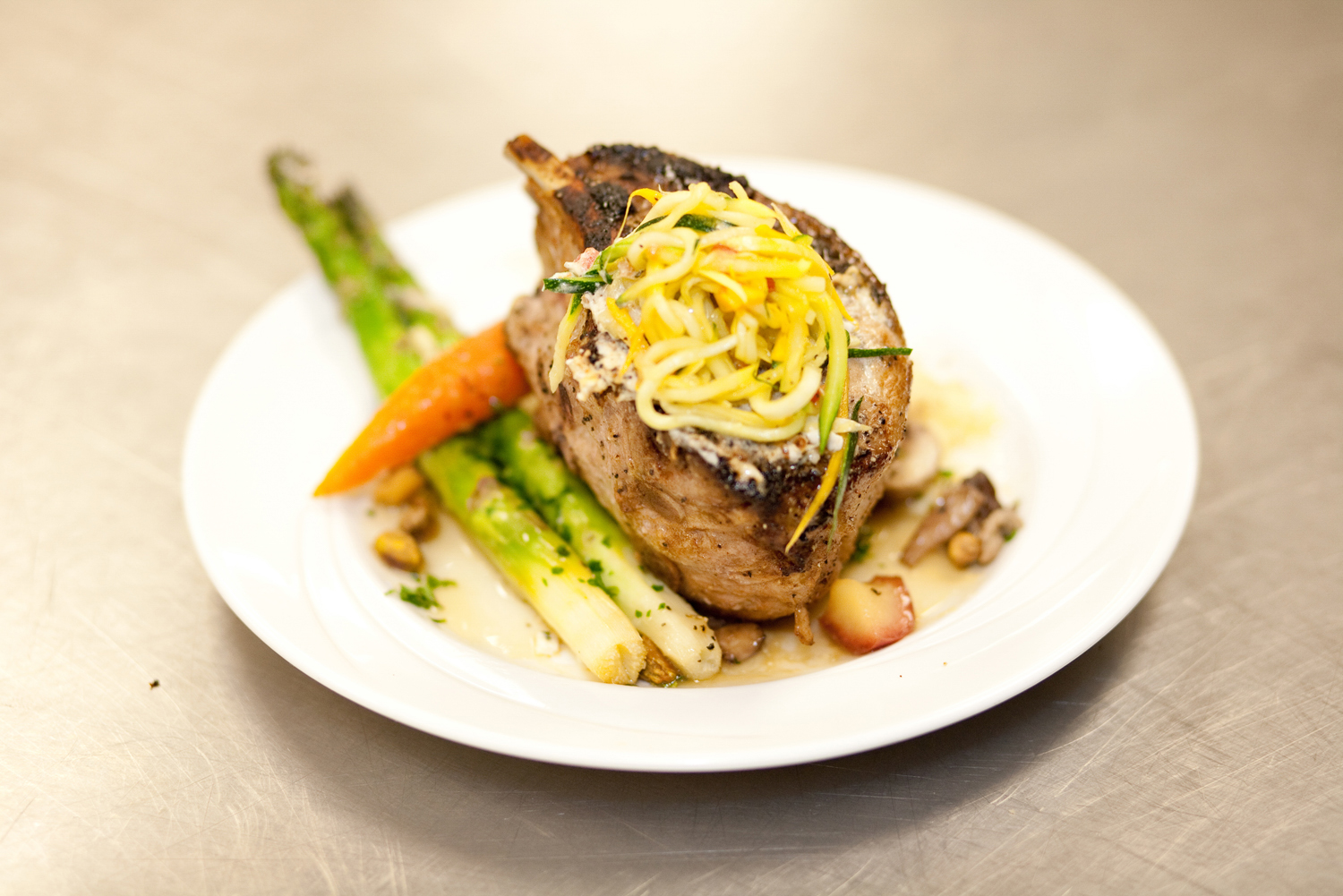
Our culinary team crafts menus tailored to your agenda instead. Fully plated working lunches, buffets that groups can move through quickly, and breaks timed to your program, rather than the other way around.
Executive Chef David Ruiz, a James Beard Foundation competition winner and Food Network champion, runs our culinary team. He joined OPCC in 2024, with more than 20 years of farm-to-table experience. Planners can schedule a tasting with Chef Ruiz before finalizing a menu, so their food is a known quantity long before event day.
For smaller meetings, CURA Café has coffee and grab-and-go items covered, and 1906 Kitchen + Bar, located at the attached Sheraton hotel, can give groups a sit-down meal without leaving the building. Among conference facilities near Kansas City, few pair a boardroom with this depth of in-house dining. Here, that means one fewer vendor to manage and one more part of the day that runs on time.