Planning is everything. A blockbuster film doesn’t premiere without months or years of pre-production. A new home requires dozens, if not hundreds, of skilled architects, engineers, and builders to come together to ensure the foundation is strong and the house is sound.
When you want your event to run like a well-oiled machine, it’s vital that you understand you create a thought-out plan with clear objectives.
Building, executing, and measuring strategic objectives for your event isn’t always easy, but at Overland Park Convention Center, we have the resources to support you during and before your next event. Read on to understand how to build the best plan for your upcoming event, no matter what that might include.
Build the Right Objectives
You can’t achieve your goals without establishing those goals in the first place. Checklists aren’t just great for organization—by getting your objectives on paper, you can cement them in your mind.
So when you begin planning your event, take the time to write down your goals. But what should those goals look like?

Your objectives should be specific. Something like “I want my event to be a success” won’t cut it. While it certainly makes an admirable goal, it has a few problems. For one, it’s somewhat subjective. What looks like a success to one person may not to another. It’s also a bit vague and unmeasurable—after all, how will you know when your event is a success?
Instead, write down quantifiable objectives. A better goal might sound like, “I want 2,000 people to attend my event,” or “I want 50 people to make an order off my site within a month of the event.” These measurable objectives can get checked off your list, and they give you clear targets to work towards.
An effective objective brainstorming session can also generate new ideas. Maybe one of your objectives is to get your event on the local news, and that inspires you to reach out to a local radio station.
Getting ideas onto paper can inspire you to put them into action, potentially increasing your reach and making your event more successful—whatever that specifically looks like.
Executing Your Ideas
After you’ve outlined your many ideas, you need to start putting them into action. Of course, this is easier said than done, but when you work with the right team, the process becomes simpler.
At Overland Park Convention Center, we have a variety of resources available to make your vision a reality. It’s no coincidence that we’ve been awarded “Best Small Convention in North America” by EXHIBITOR Magazine for several years.
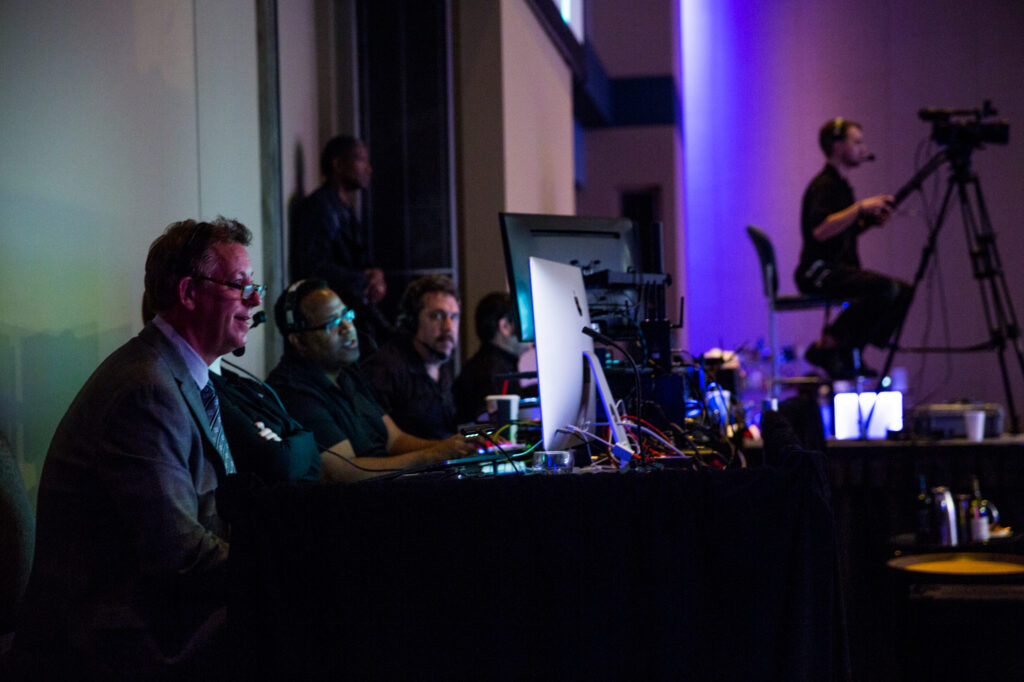
We have the tools and support necessary for building, executing, and measuring strategic objectives for your event. From our dedicated audio/visual specialists to our set-up and take-down teams, we can execute your ideas for a truly memorable event.
Monitoring Success During an Event
Don’t wait until all your attendees have gone home to gauge the event’s success. By keeping a close eye on guest engagement throughout your event, you can determine if everything is working as intended and make changes as you go to support your attendees.
Event Attendance
One way you can determine if your event is a success is by monitoring the attendance of workshops, speaking engagements, or other components.
You should have an idea beforehand of how many people will come to your event, whether you collect RSVPs or require admittance passes. But you can determine whether those attendees engage during the event by monitoring the audience of specific events.
For example, let’s say you want to host a conference, and you have a speaker who really knows their stuff. If more and more people come to the keynote each day, then the speaker has clearly captured their audience.
The right speaker can elevate how an audience thinks about your conference, so if you have a successful presenter, you may consider inviting them back next year.
Booth Engagement
When it comes to building, executing, and measuring strategic objectives for your event, pay attention to what the attendees are paying attention to.
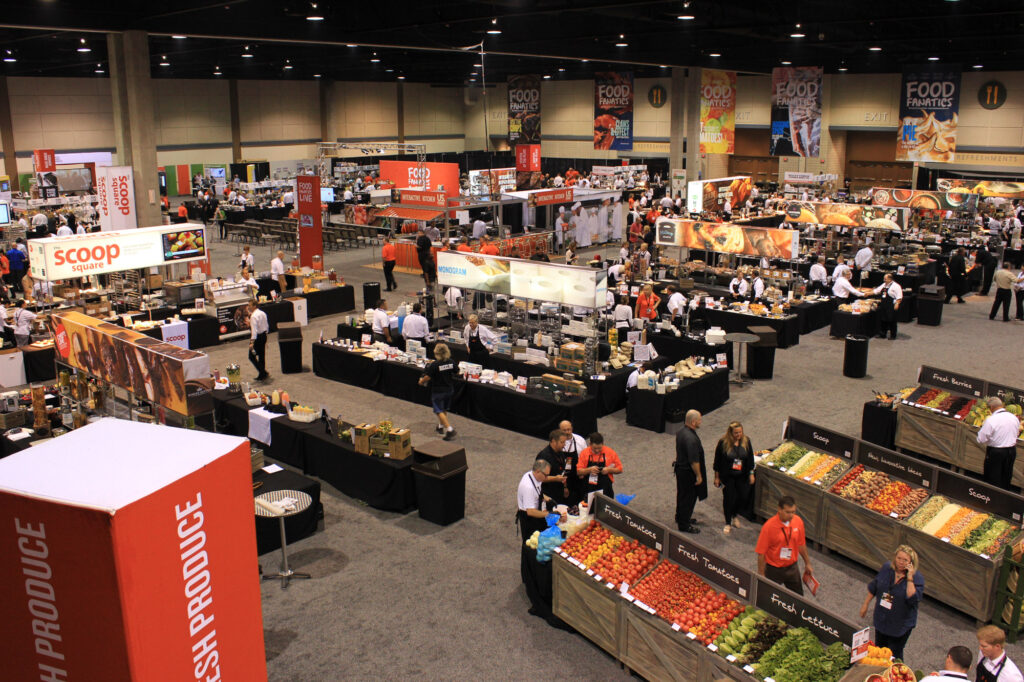
If you host a trade show, and you notice one booth is consistently surrounded by a large crowd, take a look for yourself and try to determine what about the booth has captured the audience.
Maybe it’s simply the product the booth is advertising. Maybe it’s the booth itself, with colorful decorations and high-tech presentation materials. It could also be the people behind the booth. Are they well-spoken, energetic, engaging?
It’s not just important to identify successes, but to identify what makes them successes.
Clean Plates
Meals do more than just break up the day. They provide your guests with the opportunity to get to know each other on a deeper level, networking and discussing new partnerships. They also give your attendees fuel to continue their day with vigor.
Food also sticks out in people’s minds. When someone has a delicious meal, then they’ll likely mention this in any reviews or post-event surveys. Because of this, you want to choose an event center that can produce high-quality meals at a high scale.
But if your event venue doesn’t serve high-quality meals, guests may leave with a bad taste in their mouths. This isn’t a problem at OPCC. We work with an award-winning executive chef to serve meals of all different cuisines that can accommodate dietary restrictions.
We have menu options for appetizers, breakfast, lunch, dinner, dessert, and drinks, so your guests can leave their meal feeling full, happy, and ready to participate in everything else your event offers.
Post-Event Measurement
As you’re building, executing, and measuring strategic objectives for your event, you may need to wait for the dust to settle before you get a complete picture of your success. It’s only after your event ends that you can begin to experience and understand the fullest benefits of your event.
Let’s see how you measure your success in the days or weeks following an event with our team.
Lead Generation
One of the most straightforward methods for measuring event success is through lead generation. For many businesses, the main goal of organizing a conference or banquet is to gather new clients and raise brand awareness.
So if, for example, you held a luncheon to spread information about a new product or service, you could simply measure how many new purchases you had following your event.
While correlation doesn’t always equal causation, a large surge of new business in the days after your event can indicate your event was a success.
Fundraising Goals
One easy way to determine whether your event was a success is through your fundraising metrics.
If you hosted a gala with the goal to raise, say, $10,000, then that’s a nice, neat goal to aim toward. If your gala managed to raise well past your goal, then you clearly made an impact on your guests.
But in the event that you fall a bit short, you can take a closer look at your event and determine how you can improve things in the future.
Return On Investment
To impress your investors, it’s a great idea to mark down some metrics. For instance, for a yearly event, like a banquet, you can monitor year-over-year attendance. If your guest list has grown over the years, that’s something you can point to as a tangible improvement.
You can also monitor conversation rates tied to onsite activations. Determining how many people converted on your website is a great way to prove that your event yielded positive results.
Of course, you can also just measure how much revenue your event generated. If you’re holding a gala, and you charge an admission fee, then you can simply count your revenue and weigh it against the cost of the event. Any concrete metrics are valuable for your investors.
Brand Exposure
When you’re building, executing, and measuring strategic objectives for your event, always keep your brand in mind. Everything you do, from the planning to the execution, should reflect your brand. In many ways, that’s the main highlight of hosting a large-scale event—to get your name out there.
Many businesses struggle because potential customers or leads don’t understand the brand or your vision. Following a successful event with us, however, you may notice a spike.
You can measure brand awareness by looking at:
- Social media likes
- Website traffic
- Search volume
- And more
Sending Out Surveys
If you really want to know what your attendees thought of your event, then why not simply ask them?
Measuring outcomes through guest feedback is one of the best ways to determine whether your event was successful.
Develop a custom survey to email to your attendees, and ask questions about the food quality, the event space, the speakers, the activities, and more.
At OPCC, we always send post-event surveys to our clients to see how we can improve. And when we get positive feedback, we can rest assured that our strategy and support works (but that doesn’t mean it can’t get even better).
Improving What Works
There’s an old adage that goes, “if it ain’t broke, don’t fix it.” But at OPCC, we don’t just want to create an experience that works; we want to create an experience that wows.
After building, executing, and measuring strategic objectives for your event, don’t let positive feedback trick you into thinking the work is over. Even if you hosted the best event of your life, it can always be better.
After all, there’s another adage that goes, “nothing is perfect,” and we agree with this one whole-heartedly. Examine your successes and losses with equal focus. Expand on the qualities of your event that worked, and cut out the stuff that didn’t.
Looking for More Tips?
Want to learn more about building, executing, and measuring strategic objectives for your event? We have all the answers you need in our blog. This free educational resource has detailed write-ups about our venues, services, team members, and planning methods. Get all the information you need about planning an event and measuring your program’s success.
Plan Your Event With the Experts
When you’re building, executing, and measuring strategic objectives for your event, don’t go it alone—meet with the experts. Our team members can give you the help you deserve throughout the entire planning process. Contact us to sit down and go over your options.
You can also begin planning your event online with our free tool. Just answer some questions about what you’re looking for in your event, and we can reach out with a free estimate. An event is only as good as its plan—build yours with Overland Park Convention Center.